 MR Construction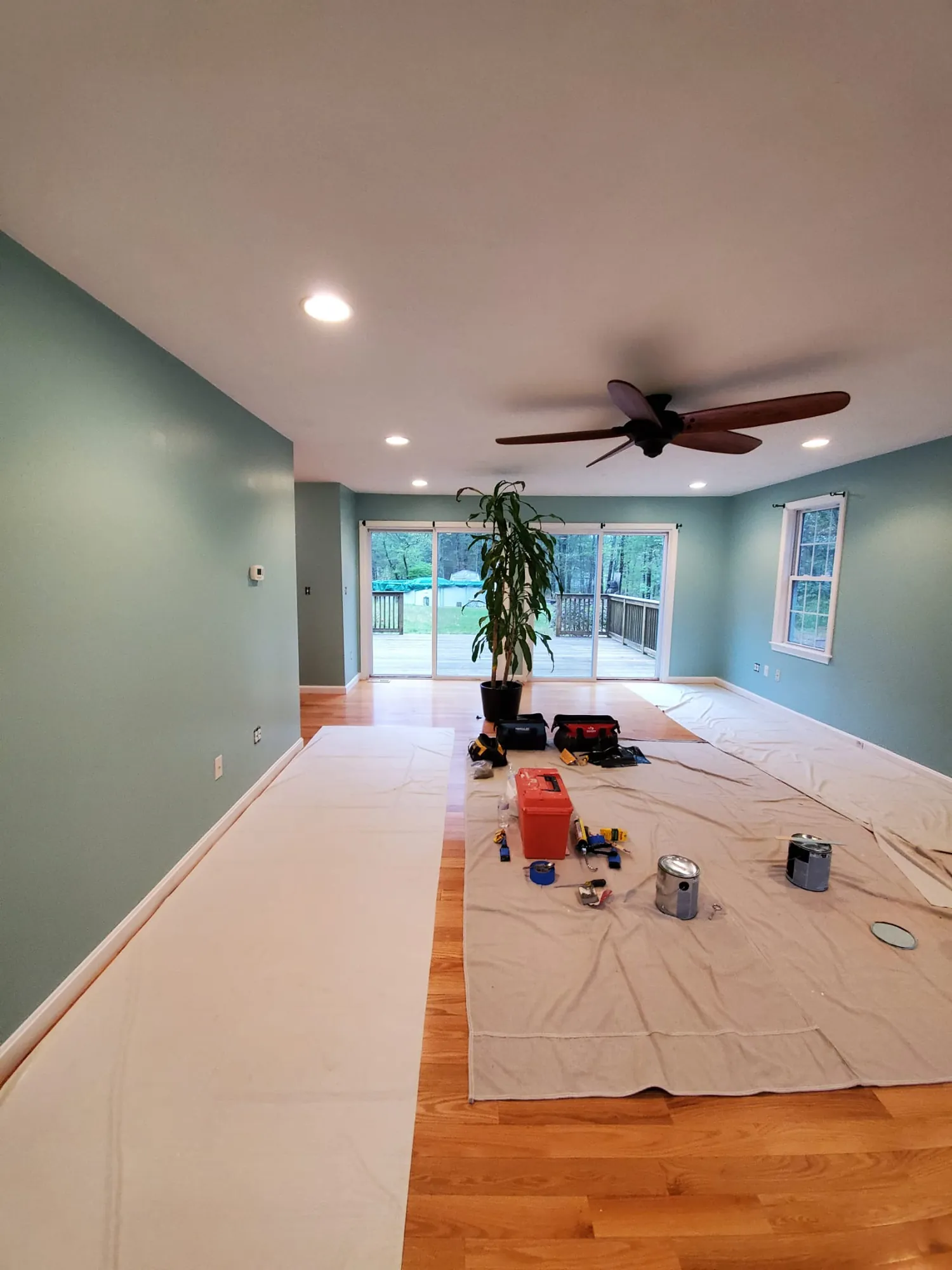
Why does 1978 matter for lead paint?
1978 is the year the federal government banned lead-based paint for use in homes. The EPA estimates that about three quarters of U.S. homes built before 1978 still contain some lead-based paint.
Intact paint in good condition is not the main danger. The EPA's concern is dust: sanding, scraping, cutting and demolition in a pre-1978 home can create lead dust that harms children and adults, and even a small amount is enough to put a child at risk. Renovation is exactly the kind of work that turns old paint into dust.
Who has to be licensed to renovate a pre-1978 home in Massachusetts?
In Massachusetts, a licensed lead-safe renovation contractor must do paid renovation, repair or painting work in pre-1978 housing that disturbs more than the threshold amount of paint. The license comes from the Massachusetts Department of Labor Standards under 454 CMR 22.00.
Massachusetts runs its own program. The EPA writes the federal Renovation, Repair and Painting (RRP) Rule, but it has authorized Massachusetts to operate the program here. The federal rule's own examples of who it covers include general contractors, painters, plumbers, carpenters and electricians, so it is not only a painter's concern.
- Interior: more than 6 square feet of painted surface disturbed per room
- Exterior: more than 20 square feet of painted surface disturbed
- The licensed contractor must have a trained, certified lead-safe renovation supervisor on staff
- Under Massachusetts rules, that supervisor must be on site at all times while the work is in progress
What is the Renovate Right pamphlet?
Renovate Right is the EPA's lead hazard information pamphlet, and under the federal RRP Rule a renovation firm must give it to you before starting work in a pre-1978 home. The firm has to document that you received it, often with a signed acknowledgment.
Read it rather than just signing for it. It explains what lead-safe work should look like, so you know what to watch for once the crew starts.
What do lead-safe work practices look like during painting and drywall work?
Lead-safe work means keeping dust inside the work area, avoiding the methods that make the most dust, and cleaning up thoroughly before anyone moves back in. The EPA's rule names three core practices: containment, a ban on certain high-dust methods, and cleanup followed by a verification step.
On a painting or drywall job, containment usually means furniture moved out, floors covered in plastic, doors and vents sealed, and the area closed off from the rest of the house. Old trim and walls get scraped or misted rather than dry-sanded with ordinary power tools. At the end, surfaces are cleaned with a HEPA vacuum and wet wiping, and the area is checked before it is reopened.
- Plastic sheeting on floors and sealed doorways and vents
- No open-flame burning of paint
- No power sanding or grinding without HEPA exhaust control
- HEPA vacuuming and wet cleaning, then a cleaning verification
- Waste bagged and removed so dust doesn't travel through the house
Does a small repair still count?
Under the federal rule, minor repair and maintenance that disturbs 6 square feet or less of paint per room inside, or 20 square feet or less outside, is not covered. Window replacement and demolition of painted surfaces are always covered regardless of size.
Small does not mean harmless. A patch in a single wall can still make dust, so containing the area and cleaning carefully is worth doing on any job in an older house.
What should I ask a contractor before work starts in an older home?
Ask whether they hold a current Massachusetts lead-safe renovation contractor license, and who their certified supervisor on site will be. The Department of Labor Standards keeps a list of licensed lead-safe renovation contractors you can check a name against.
Then ask how they will set up containment, what tools they will use on the old paint, how they clean up each day and at the end, and whether they will give you the Renovate Right pamphlet before starting. A contractor who does this work properly can answer every one of those questions plainly.
- Do you hold a Massachusetts lead-safe renovation contractor license?
- Who is the certified supervisor, and will they be on site the whole time?
- How will you contain the work area and protect the rest of the house?
- What is your cleanup and verification process before we use the room again?
Does the lead rule apply if I do the work myself?
Generally no. The EPA says the RRP Rule does not apply to homeowners working on their own home, but it does apply if you rent out all or part of the home, run a child care center there, or renovate homes to sell for profit.
The dust is the same either way. The EPA recommends that DIY homeowners in pre-1978 houses follow the same lead-safe practices: contain the area, protect yourself, keep dust down and clean thoroughly.
In Wakefield and nearby towns
This matters a lot in Wakefield. The town's 2025 Housing Production Plan reports that 33 percent of Wakefield's homes were built in 1939 or earlier and another 26 percent between 1940 and 1959, so most houses in town predate 1978 by decades. Reading, Stoneham and Melrose have plenty of older housing too. Before scraping a porch or opening a plaster wall in one of these houses, confirm the contractor's Massachusetts lead-safe renovation license and how they plan to contain the dust. Ask MR Construction Revolutions the same questions at your free estimate.
Questions homeowners also ask
Testing is optional, but the EPA says that unless you have documentation that the paint is not lead-based, the lead-safe rules apply. A certified lead inspector or risk assessor can test the surfaces, and a certified renovator can use an EPA-recognized test kit on the specific parts being worked on.
No. Massachusetts treats them as different work. Deleading abates lead hazards to bring a home into compliance with the state lead law and leads to a letter of compliance. Lead-safe renovation is ordinary remodeling, repair or painting done in a way that keeps lead dust contained.
Often you can live in the rest of the house, because the point of containment is to keep dust inside the work area. Keep everyone, especially children, out of the work area until cleanup and verification are done. Talk through the layout with the contractor before work starts.
Yes. Under the federal RRP Rule, window replacement in pre-1978 housing is always covered, no matter how small the painted area, because removing old sashes and trim disturbs paint.
The Massachusetts Department of Labor Standards publishes a list of licensed lead-safe renovation contractors on mass.gov, linked from its lead-safe renovation page for homeowners. You can also call the department's lead program at (617) 626-6030.
- Mass.gov: Lead-safe renovation for homeowners (Department of Labor Standards)
- Mass.gov: Lead-safe renovation for contractors
- Mass.gov: Find a licensed lead-safe renovation contractor
- EPA: Lead Renovation, Repair and Painting Program
- EPA: RRP Program for contractors (covered firms and activities)
- EPA: RRP Program work practices
- EPA: Renovate Right pamphlet
- EPA: RRP Program for consumers
- EPA: Lead-safe renovations for DIYers
- Town of Wakefield: Housing Production Plan FY2026-2030